





Connect, how natural light moves through the home, and how the property feels as a living space rather than a collection of individual photographs.
This additional context often helps buyers make faster and more informed decisions.
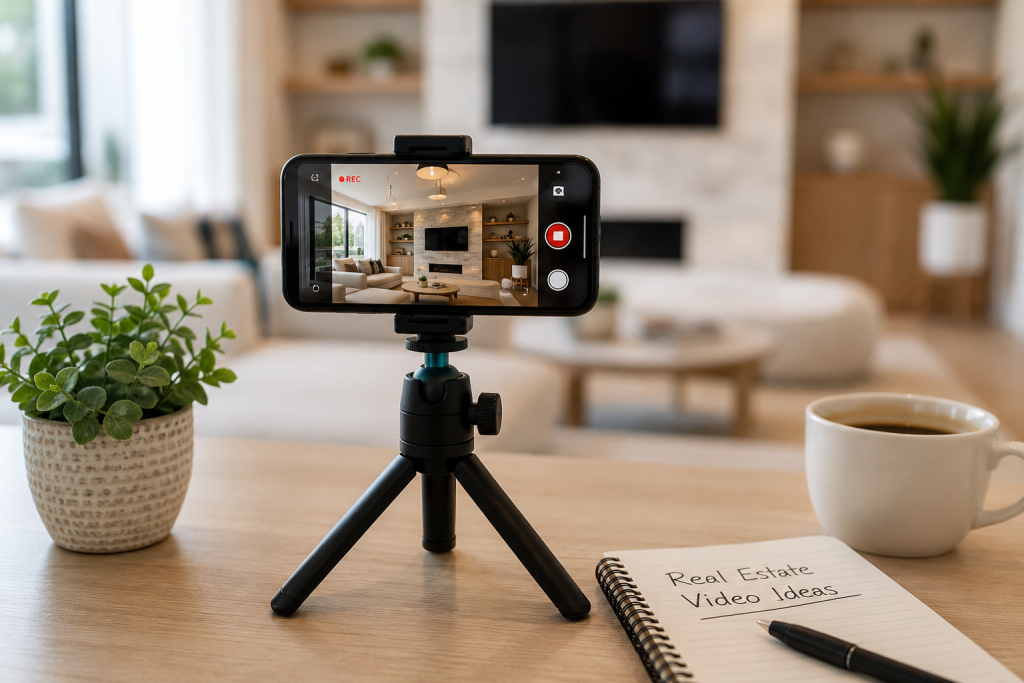
Trust Matters More Than Ever
Real estate is built on trust.
Whether someone is buying their first home or selling a luxury property, they want confidence in the professional guiding them through the process.
Video creates opportunities for agents to build that trust long before the first phone call or property viewing.
When buyers see an agent speaking confidently on camera, explaining property features, or sharing market insights, they begin to develop familiarity with that person. Familiarity often leads to credibility, and credibility leads to trust.
This is one reason why personal branding has become increasingly important for real estate professionals.
Social Media Has Changed Property Marketing
The rise of platforms such as Instagram, TikTok, YouTube Shorts, and Facebook has transformed how people discover properties.
Many buyers now encounter homes through social media before they ever visit a property portal.
This creates a major opportunity for agents who consistently publish engaging video content.
Instead of waiting for buyers to search for listings, agents can bring properties directly into the feeds of potential clients. This proactive approach often generates more visibility, greater engagement, and additional listing opportunities.
Video Helps Properties Stand Out
In competitive markets, buyers often browse dozens of properties in a single session.
Most listings still rely heavily on static images. As a result, video content immediately stands out.
A well-produced video can:
- Capture attention faster
- Increase viewing time
- Encourage social sharing
- Generate more inquiries
- Create stronger emotional engagement
These advantages become even more significant for premium and luxury properties, where storytelling plays a major role in the buying decision.
Consistency Is More Important Than Perfection
One of the biggest misconceptions in real estate marketing is that every video needs to look like a cinematic production.
In reality, consistency often matters more than perfection.
Agents who publish useful, informative, and authentic videos regularly tend to build larger audiences than those who spend weeks creating a single highly polished production.
Buyers appreciate authenticity. They want to learn about properties, neighbourhoods, market conditions, and the people behind the listings.
Regular content helps establish expertise and keeps agents visible in a crowded marketplace.
Technology Is Making Video Easier
Historically, creating professional videos required expensive equipment, editing software, and technical expertise.
Today, specialised platforms have simplified the process significantly.
Tools such as Momenzo allow real estate professionals to create listing videos, social media content, property walkthroughs, and branded marketing videos directly from their mobile devices. Features such as built-in templates, teleprompters, AI-powered video tools, and automated branding help agents produce content faster without sacrificing quality.

This means agents can focus less on technical production and more on communicating with buyers and sellers.
The Future of Real Estate Marketing
The role of video in real estate is likely to continue growing.
As consumer attention increasingly shifts toward short-form content and mobile-first experiences, video will become an even more important part of how properties are marketed and how agents build their personal brands.
The agents who adapt early and develop a consistent video strategy will be better positioned to attract attention, build trust, and generate opportunities in an increasingly competitive industry.
Final Thoughts
Video is no longer just an optional marketing tactic. It has become a powerful communication tool that helps buyers understand properties, helps agents build credibility, and helps listings stand out online.
As the real estate industry continues to evolve, video marketing will play an increasingly important role in how successful agents connect with modern buyers and sellers.
The marketing industry in the Netherlands works differently compared to many other countries, especially if someone comes in expecting aggressive sales tactics or flashy advertising campaigns. Dutch consumers are smart, direct, skeptical, and honestly pretty hard to impress. They don’t usually fall for overhyped marketing language or fake emotional storytelling. If a brand feels dishonest, exaggerated, or too pushy, people notice immediately.
That’s exactly what makes the Dutch marketing landscape so interesting.
The Netherlands has one of the most digitally connected populations in Europe. Online shopping is huge, social media usage is high, and consumers research products carefully before spending money. At the same time, Dutch culture values transparency, practicality, and authenticity way more than flashy branding alone. A company can have the coolest logo in the world, but if the product or service doesn’t actually deliver value, people move on fast.
Marketing in the Netherlands is also heavily influenced by international business. Cities like Amsterdam, Rotterdam, Utrecht, and Eindhoven attract startups, tech companies, creative agencies, and global brands from all over the world. Because the country is relatively small but globally connected, trends spread quickly. Dutch marketers often adapt to new digital platforms and consumer behaviors faster than many larger European markets.

Dutch Consumers Hate Over-Marketing
One of the first things international companies learn in the Netherlands is that traditional “hard selling” usually doesn’t work very well. Dutch people appreciate honesty more than polished sales performances. If a brand exaggerates too much, consumers can react negatively almost instantly.
Marketing campaigns that succeed in the Netherlands often feel:
- Straightforward
- Informative
- Minimalistic
- Transparent
- Humble
- Authentic
This doesn’t mean Dutch marketing is boring. Actually, some campaigns become incredibly creative. But there’s usually a layer of realism behind the messaging. Brands often use humor, self-awareness, or direct communication instead of pretending everything is perfect.
You’ll notice this especially in advertising language. Dutch brands tend to avoid overly dramatic slogans. They focus more on practical benefits and honest value propositions. Customers appreciate companies that “keep it real.”
That cultural mindset affects everything from website copy to influencer marketing strategies.
Digital Marketing Dominates the Business Scene
The Netherlands has one of the strongest digital infrastructures in Europe, so naturally digital marketing dominates almost every industry. Businesses invest heavily in online visibility because consumers spend huge amounts of time researching products and services online before buying.
Some of the biggest digital channels include:
| Marketing Channel | Popularity in Netherlands |
| Google Search | Extremely High |
| Very High | |
| Strong B2B use | |
| TikTok | Rapidly growing |
| Email marketing | Still effective |
| YouTube | High engagement |
SEO is especially important because Dutch consumers actively compare options before making purchasing decisions. Businesses that rank high on Google often gain a major advantage, particularly in competitive industries like real estate, e-commerce, finance, and technology.
Paid advertising works too, but audiences are becoming more resistant to intrusive ads. Brands now focus more on content marketing, storytelling, educational videos, and community building instead of simply pushing products nonstop.
Sustainability Is a Huge Marketing Factor
Sustainability isn’t just a trendy buzzword in the Netherlands anymore. For many consumers, it directly affects buying decisions. Dutch shoppers increasingly pay attention to:
- Ethical production
- Eco-friendly packaging
- Carbon footprint
- Local sourcing
- Fair labor practices
- Sustainable transportation
Companies that ignore sustainability trends can seriously damage their reputation, especially among younger audiences.
At the same time, Dutch consumers are very aware of “greenwashing.” They quickly spot fake sustainability claims or marketing campaigns that feel performative. Businesses need actual proof behind environmental messaging.
This pushes marketers to communicate carefully and honestly. Detailed transparency often works better than emotional environmental branding alone.
For example, brands now frequently publish sustainability reports, production details, or measurable environmental goals instead of relying only on vague eco-friendly language.
Social Media Marketing Feels More Personal Here
Social media in the Netherlands feels slightly less polished and corporate compared to some international markets. Audiences respond strongly to brands that feel human and approachable.
People generally engage more with content that includes:
- Humor
- Behind-the-scenes moments
- Real customer experiences
- Honest storytelling
- Educational content
- Interactive communication
Influencer marketing is still growing, but Dutch consumers are pretty skeptical about overly scripted sponsorships. Influencers who appear genuine and selective about partnerships usually perform better.
Micro-influencers especially became important because smaller communities often generate stronger trust levels than huge celebrity-style accounts.
A lot of Dutch businesses also prioritize community interaction over vanity metrics. Instead of obsessing only over follower counts, marketers focus more on engagement quality and customer loyalty.
Amsterdam Became a Global Marketing Hub
Amsterdam plays a massive role in Europe’s marketing and creative industries. The city attracts international startups, advertising agencies, tech companies, and digital entrepreneurs from all over the world.
Several factors make Amsterdam attractive:
- Strong English proficiency
- International workforce
- Tech-friendly environment
- Startup culture
- Creative industry support
- Strong transportation links
Because of this, many marketing campaigns developed in Amsterdam end up targeting global audiences, not just Dutch consumers.
The city also became heavily connected to tech marketing, especially in sectors like SaaS, fintech, e-commerce, and AI-driven services. Data analytics, automation, and performance marketing are huge parts of the modern Dutch business ecosystem.
At the same time, local Dutch brands still maintain a distinctly minimalist and authentic communication style compared to many international campaigns.
E-Commerce Changed Consumer Behavior Fast
Online shopping exploded in the Netherlands over the past decade, and marketing strategies shifted alongside it. Dutch consumers now expect smooth digital experiences from basically every business.
A bad website, slow checkout process, or unclear pricing can instantly kill customer trust.
Successful e-commerce businesses focus heavily on:
| Consumer Expectation | Why It Matters |
| Fast website speed | Users leave quickly otherwise |
| Transparent pricing | Dutch consumers value clarity |
| Mobile optimization | High smartphone usage |
| Fast delivery | Strong customer expectation |
| Clear return policies | Trust factor |
Reviews also matter enormously. Many Dutch shoppers carefully read customer feedback before purchasing anything online. Social proof often influences decisions more than traditional advertising.
That’s why businesses now invest heavily in customer experience marketing rather than relying only on promotional campaigns.
Direct Communication Shapes Branding
Dutch communication culture is famously direct, and that affects branding too. Companies that try too hard to sound luxurious, exclusive, or overly corporate sometimes struggle to connect with local audiences.
Brands often succeed by sounding:
- Smart but approachable
- Honest but confident
- Professional without arrogance
- Modern without trying too hard
This communication style can surprise international marketers who are used to more emotional or highly polished campaigns.
For example, Dutch advertisements often use humor mixed with realism instead of dramatic storytelling. Brands are more likely to admit imperfections or joke about industry clichés rather than pretending to be flawless.
Oddly enough, this honesty builds stronger consumer trust long term.
Data Privacy Is Taken Seriously
Marketing in the Netherlands also operates under strict European privacy regulations. Consumers care deeply about how companies use personal data, especially after GDPR changed digital marketing across Europe.
Businesses now need to be extremely careful with:
- Email collection
- Cookie tracking
- Retargeting ads
- Customer databases
- Behavioral analytics
Transparency matters a lot. Customers want to understand what data is collected and why.
This changed how marketers approach personalization. Instead of aggressive tracking, many brands now focus more on permission-based marketing and voluntary engagement strategies.
Email marketing still performs well, but only when subscribers genuinely want the content. Spammy campaigns usually backfire quickly.
Video Content Keeps Growing
Video marketing has become one of the strongest trends in the Netherlands, especially short-form content on platforms like TikTok, Instagram Reels, and YouTube Shorts.
Consumers increasingly prefer:
- Quick tutorials
- Product demonstrations
- Behind-the-scenes videos
- Founder stories
- Educational explainers
- Lifestyle content
Brands that communicate visually often build stronger emotional connections with younger audiences.
At the same time, production quality expectations aren’t always super high. Sometimes raw, authentic smartphone content performs better than expensive polished commercials because it feels more believable.
This shift changed how businesses allocate marketing budgets. Instead of spending everything on massive ad campaigns, many companies now produce ongoing content consistently across multiple platforms.
The Future of Marketing in the Netherlands
The Dutch marketing landscape keeps evolving fast, especially as AI, automation, and personalization technologies improve. Businesses increasingly rely on data-driven decision making while still trying to maintain authentic customer relationships.
Several trends are shaping the future:
| Trend | Impact |
| AI-driven marketing | Faster personalization |
| Sustainability branding | Stronger consumer expectations |
| Creator economy | More influencer partnerships |
| Short-form video | Higher engagement |
| Privacy regulations | More transparent marketing |
| Community building | Increased brand loyalty |
One thing probably won’t change though: Dutch consumers will continue valuing honesty and practicality over empty hype.
Brands that truly understand local culture often outperform companies simply copying international marketing trends without adaptation.
Conclusion
Marketing in the Netherlands blends digital innovation with a surprisingly grounded communication culture. Dutch consumers are highly connected online, but they also value transparency, practicality, and authenticity more than flashy advertising alone.
Businesses that succeed here usually focus on trust, strong customer experience, honest messaging, and long-term relationships instead of aggressive sales tactics. Digital marketing dominates most industries, especially SEO, content creation, social media, and e-commerce strategies.
At the same time, sustainability, privacy awareness, and changing social media behaviors continue reshaping how brands communicate with audiences. The Netherlands may be a relatively small country, but its marketing landscape is modern, competitive, and highly influential within Europe.
Tenerife isn’t just a vacation destination anymore. Over the last few years, the island quietly turned into one of the most interesting business hotspots in southern Europe. People move there thinking about beaches, sunshine, and slower living — then suddenly realize there’s serious money flowing through the island all year long. The combination of tourism, remote work culture, international residents, and lower operating costs compared to mainland Europe created a surprisingly active business scene.
Located in the Canary Islands, Tenerife belongs to Spain but honestly feels like its own little universe. You’ve got digital nomads working from rooftop cafés, luxury tourists spending thousands in beach resorts, surfers living minimalist lifestyles near the coast, and retirees from all over Europe settling down permanently. That mix creates unusual business opportunities you wouldn’t normally find in one place.
The island’s economy still revolves heavily around tourism, but things are changing fast. New businesses connected to wellness, remote work, sustainability, property services, online brands, and lifestyle experiences are growing way faster than traditional industries. Tenerife isn’t really about building giant corporations. It’s more about lifestyle entrepreneurship — businesses that combine income with freedom and quality of life.

Tourism Still Dominates the Economy
Let’s be real — tourism is still the king of Tenerife’s economy. Millions of visitors arrive every year, especially from the UK, Germany, Scandinavia, and mainland Spain. Hotels, excursions, restaurants, bars, transportation companies, and rental properties all depend heavily on tourism spending.
What makes Tenerife different from many tourist destinations is that the season basically never fully stops. The island has warm weather almost year-round, so businesses don’t face the same extreme off-seasons you’d see in Mediterranean beach towns. Winter is actually one of the busiest periods because northern Europeans escape cold weather and fly south for sunshine.
That creates opportunities in areas like:
- Vacation rentals
- Boat tours
- Hiking experiences
- Wellness retreats
- Surf schools
- Photography services
- Luxury transportation
- Restaurant concepts
People visiting Tenerife today often want experiences instead of generic tourism. They’re looking for hidden beaches, local food culture, volcano tours, yoga retreats, and authentic island vibes. Businesses that feel personal and less “tourist-trap” usually perform better long term.
One interesting shift happening now is the rise of premium tourism. Wealthier travelers increasingly visit Tenerife for luxury villas, private experiences, wellness programs, and remote-work vacations. That higher-spending customer base changes the type of businesses succeeding on the island.
Digital Nomads Changed the Island Economy
Probably one of the biggest changes in Tenerife’s business environment came from remote workers and digital nomads. Before the pandemic, the island already had a growing international freelancer scene. After remote work exploded globally, Tenerife became seriously attractive for people wanting sunshine without Dubai-level prices.
Coworking spaces started appearing everywhere, especially in southern Tenerife. Cafés adapted with better Wi-Fi and laptop-friendly environments. Apartment rentals shifted toward monthly stays instead of short tourist visits. Entire communities formed around entrepreneurs, content creators, crypto workers, freelancers, and startup founders.
The lifestyle is honestly a huge selling point. Imagine finishing Zoom calls and heading straight to the beach in January while most of Europe freezes. That balance attracts people burned out from expensive, stressful city life.
Because of this, several business categories exploded:
| Business Type | Growth Trend |
| Coworking spaces | Rapid growth |
| Short-term apartment rentals | Very high demand |
| Content creation studios | Growing |
| Wellness businesses | Strong demand |
| Remote-work cafés | Expanding |
| Social networking events | Increasing popularity |
Tenerife also became popular among online business owners who technically work globally while living locally. Many entrepreneurs earn income online while spending money inside the island economy, which indirectly boosts restaurants, gyms, cafés, rentals, and local services.
Real Estate Became a Massive Business
Property in Tenerife turned into one of the hottest business sectors on the island. Rising tourism combined with international migration pushed demand for apartments, villas, and rental properties way up.
Investors from the UK, Germany, Italy, and mainland Spain actively buy real estate for:
- Airbnb rentals
- Long-term remote-worker housing
- Retirement homes
- Luxury vacation villas
- Property flipping
Southern Tenerife especially became extremely competitive because that area gets the best weather and strongest tourism flow. Places near Costa Adeje and Los Cristianos attract major investor attention.
But this boom also created tension locally. Housing prices increased significantly, making it harder for some residents to afford rentals. As a result, local governments started discussing tighter regulations around short-term tourist apartments.
For entrepreneurs, though, real estate-related services continue growing. Businesses connected to cleaning, maintenance, interior design, relocation support, property management, and vacation hosting all benefit from the housing market expansion.
Wellness and Fitness Businesses Are Thriving
Tenerife’s climate naturally fits the wellness industry. The island lifestyle pushes people outdoors, and tourists increasingly want health-focused experiences instead of pure partying.
Yoga retreats, meditation workshops, breathwork sessions, fitness boot camps, cold-water therapy experiences, and healthy cafés became super common in recent years. A lot of visitors now travel specifically for physical and mental wellness.
The cool part is that Tenerife attracts both luxury wellness clients and budget-conscious travelers at the same time. Some businesses offer high-end spa retreats, while others focus on minimalist surf-and-yoga communities.
Popular wellness business ideas include:
- Outdoor fitness coaching
- Healthy smoothie cafés
- Hiking retreats
- Surf camps
- Wellness villas
- Holistic therapy centers
- Massage studios
- Recovery programs
Social media plays a massive role here too. Tenerife’s landscapes look almost unreal online, which makes wellness brands highly marketable through Instagram and TikTok. Volcano views, ocean sunsets, black sand beaches, and tropical scenery create perfect lifestyle content.
Food Businesses Need More Than Just Good Food
Opening a restaurant in Tenerife sounds romantic until someone realizes how competitive the food scene actually is. Tourist-heavy areas are packed with restaurants trying to pull customers off the street every single night.
That said, unique concepts still perform well. Visitors increasingly search for authentic local experiences instead of generic tourist menus with giant laminated photos.
Restaurants that succeed often focus on:
| Restaurant Trend | Why It Works |
| Local Canary cuisine | Authenticity |
| Vegan & healthy food | Wellness tourism |
| Ocean-view dining | Experience-driven customers |
| Fusion concepts | International audience |
| Specialty coffee cafés | Remote workers |
Presentation matters heavily now because customers constantly post food online. In many cases, a restaurant’s Instagram presence affects business almost as much as the menu itself.
Delivery services also expanded significantly, especially in larger populated areas. Remote workers and long-term residents rely more on food delivery than short-term tourists did in the past.
The Island Lifestyle Sells Better Than Products
One thing that makes Tenerife business culture unique is that people often buy into lifestyles instead of products alone. Entrepreneurs who understand this usually market more effectively.
For example, someone selling surf lessons isn’t just teaching surfing. They’re selling freedom, sunshine, community, and escape from routine. A coworking café isn’t only renting desks — it’s offering connection and lifestyle identity.
This emotional branding works incredibly well because Tenerife already carries a strong psychological image globally. People associate the island with:
- Freedom
- Warm weather
- Relaxation
- Adventure
- Reinvention
- Escape from stress
Businesses tapping into those emotions often grow faster than purely transactional brands.
Challenges of Running a Business in Tenerife
The island lifestyle looks dreamy online, but business there still comes with real challenges. Bureaucracy in Spain can honestly frustrate foreign entrepreneurs. Paperwork, permits, taxes, and administrative processes often move slower than expected.
Shipping and logistics also create complications because Tenerife is geographically isolated from mainland Europe. Importing products can cost more and take longer.
Other common challenges include:
- Seasonal fluctuations
- Tourism dependence
- Rising rental prices
- Staffing shortages
- Language barriers
- Intense competition in tourist zones
Internet business owners often adapt easiest because they rely less on local infrastructure. Physical businesses, especially restaurants and retail shops, face higher operational pressure.
Still, many entrepreneurs accept those trade-offs because the overall quality of life remains extremely attractive compared to larger European cities.
Sustainability Is Becoming a Serious Business Trend
Tenerife faces increasing environmental pressure from tourism growth, and sustainability is becoming a major business topic. Both locals and visitors are paying closer attention to ecological impact now.
Businesses focusing on eco-conscious practices gain stronger support, especially among younger travelers.
Growing sustainability sectors include:
- Eco-tourism
- Solar energy
- Sustainable fashion
- Plastic-free cafés
- Organic farming
- Electric transportation rentals
Travelers increasingly choose companies that align with environmental values. A boat tour promoting marine conservation or a café using local organic ingredients often gains a competitive advantage.
This shift will probably keep growing because island ecosystems are naturally sensitive to overdevelopment and mass tourism pressure.
Why So Many Entrepreneurs Stay Long-Term
A funny thing happens to a lot of people in Tenerife. They arrive planning to stay for a few months, then end up building entire businesses and lives there. The island creates a balance many entrepreneurs struggle to find elsewhere.
Big cities often offer stronger economies but higher stress. Tenerife offers slower mornings, ocean air, year-round outdoor living, and lower emotional burnout for many people.
That doesn’t mean business becomes easy. It still requires hustle, creativity, and adaptation. But the environment itself changes how many people approach work. Entrepreneurs often prioritize flexibility, freedom, and personal well-being more than endless scaling.
For some, that trade-off is worth everything.
Conclusion
Tenerife transformed from a traditional tourist destination into one of Europe’s most interesting lifestyle-business ecosystems. Tourism still powers the economy, but newer industries connected to remote work, wellness, sustainability, real estate, and online entrepreneurship are reshaping the island fast.
The businesses thriving there today usually offer more than products alone. They sell experiences, identity, freedom, and emotional escape — things modern consumers value more than ever.
Running a business in Tenerife comes with challenges like bureaucracy, competition, and rising costs, but the island’s unique mix of climate, international culture, and lifestyle appeal keeps attracting entrepreneurs from around the world. For many people, Tenerife isn’t just a place to vacation anymore. It’s a place to completely redesign how they live and work.
The newborn photography business in Philadelphia is way more competitive and emotional than most people think. This isn’t just about taking cute baby pictures with tiny blankets and soft lighting. Families are trusting photographers with one of the most personal moments of their lives. In a city like Philly, where people value authenticity and connection, that trust becomes a huge part of the business.
Philadelphia has a pretty unique market for newborn photographers because it mixes urban families, wealthy suburban clients, young professionals, and long-established local communities all in one region. Some parents want luxury studio sessions with high-end props and magazine-style edits. Others want a cozy, natural vibe that feels raw and real. A successful newborn photographer in Philly usually knows how to adapt to both worlds without making the work feel staged or generic.
The emotional side of this business also hits differently. Parents are exhausted, overwhelmed, excited, nervous, and trying to freeze time all at once. Newborn photographers become part artist, part therapist, and part baby whisperer. Honestly, patience matters almost as much as camera skills in this industry.

Why Studio Photography Is So Popular in Philadelphia
Philadelphia weather is kind of unpredictable, and that’s one reason studio newborn photography stays in high demand all year long. Winters get cold, summers can turn brutally humid, and parents usually don’t want to risk outdoor shoots with babies only a few days old. A controlled studio environment feels safer, calmer, and easier for families.
Studios also allow photographers to create a fully customized experience. Parents in Philly often look for setups that feel clean, soft, and timeless instead of overly themed. Neutral colors, natural textures, minimalistic backgrounds, and warm lighting are trending hard right now. The Pinterest-era “crazy prop overload” aesthetic has started fading out a bit. Families want photos that still look beautiful ten years later.
A lot of studios in the Philadelphia area now include:
- Parent lounges
- Baby changing stations
- White-noise machines
- Temperature-controlled rooms
- Feeding areas
- Client wardrobes for moms and newborns
That comfort factor matters because newborn sessions can last anywhere from two to four hours depending on the baby’s mood. Philly parents especially appreciate businesses that feel organized and stress-free.
Philadelphia Parents Spend Big on Memories
One thing about the Philadelphia newborn photography market — people are willing to invest serious money in quality photography. Families often see newborn photos as heirlooms instead of quick social media content. This is especially true in affluent neighborhoods and suburban areas around the city.
Many photographers offer packages that include:
| Package Feature | Common Demand |
| Wrapped newborn poses | Very High |
| Family portraits | High |
| Sibling photos | High |
| Printed albums | Medium to High |
| Wall art collections | Growing |
| Digital galleries | Essential |
Pricing varies a lot depending on experience, editing style, and studio reputation. Entry-level photographers might charge a few hundred dollars, while established luxury newborn photographers in Philadelphia can easily charge several thousand per session.
What’s interesting is that clients aren’t only paying for photos anymore. They’re paying for the overall experience. They want safety, professionalism, comfort, editing quality, fast communication, and emotional connection. A photographer who makes nervous new parents feel relaxed instantly gains an advantage in this market.
Safety Is Everything in Newborn Photography
This industry has changed a lot over the last decade because parents became far more educated about newborn safety. Today’s clients ask questions. They research posing techniques. They look for photographers who understand infant handling and proper support methods.
In Philadelphia, experienced newborn photographers often invest heavily in:
- Safety training
- Specialized posing equipment
- Sanitized props
- Soft temperature control
- Composite editing techniques
- Insurance coverage
Parents notice these details. Honestly, they expect them. Nobody wants a photographer treating newborn sessions casually.
Some of the most popular newborn poses seen online are actually created through editing composites rather than physically balancing babies in risky positions. Professional photographers understand how to create beautiful images without compromising infant safety. That knowledge builds trust fast.
Word spreads quickly in parenting communities too. Local Facebook groups, mom networks, and neighborhood recommendations drive a huge percentage of referrals in Philly. One strong client experience can lead to years of repeat business and referrals.
Social Media Basically Runs the Industry Now
Instagram changed newborn photography in a massive way. Most Philadelphia parents now discover photographers online before ever asking friends for recommendations. A photographer’s Instagram feed acts like a living portfolio, personality test, and marketing campaign all at once.
Soft neutral editing styles dominate the Philly market right now. Overly saturated colors and heavy Photoshop effects have become less popular compared to natural skin tones and organic textures.
Successful photographers usually focus on content like:
- Behind-the-scenes studio clips
- Before-and-after editing videos
- Baby posing setups
- Parent reaction moments
- Nursery-inspired color palettes
- Seasonal mini sessions
TikTok has also started influencing the industry more than people expected. Short videos showing calming baby techniques or setup transformations often pull huge engagement.
Philadelphia clients especially respond to authenticity. They want photographers who feel approachable and real rather than overly corporate. A lot of parents are hiring someone they’ll potentially work with for years through maternity, newborn, birthdays, and family sessions.
Competition in Philly Is Intense
The newborn photography space in Philadelphia is crowded. Really crowded. There are luxury boutique studios, lifestyle photographers, in-home session specialists, and budget-friendly beginners all competing for attention at the same time.
That means photographers constantly need to stand out somehow. Some focus on ultra-minimalist aesthetics. Others build brands around emotional storytelling or luxury client experiences. A few specialize specifically in multicultural family photography or natural lifestyle sessions.
Location also matters more than people realize. Traffic in Philly can get rough, and exhausted parents usually prefer nearby studios over driving long distances with newborns. Photographers located near suburban family-heavy areas often gain an advantage because convenience becomes part of the customer experience.
Search visibility matters too. A lot of photographers invest heavily in local SEO because parents typically search phrases like:
- “Newborn photographer Philadelphia”
- “Baby photography studio near me”
- “Luxury newborn photos Philly”
- “Main Line newborn photographer”
Showing up high in Google search results can completely change how many inquiries a studio receives monthly.
Editing Style Can Make or Break a Business
Editing trends in newborn photography shift constantly. Right now, Philadelphia photographers lean heavily toward warm, creamy, soft edits that feel natural but polished. Parents want babies to look real — just slightly enhanced.
Heavy retouching is becoming less popular. Skin texture, tiny wrinkles, flaky newborn skin, and natural imperfections are often preserved more than before because families want authenticity.
At the same time, editing newborn photos still requires serious technical skill. Photographers spend hours adjusting:
- Skin tones
- Redness
- Scratches
- Lighting balance
- Blanket textures
- Background cleanup
A single newborn gallery can easily require many hours of post-production work. Clients may only see the final images, but editing is honestly where much of the artistic magic happens.
Repeat Clients Are the Real Goldmine
One of the coolest parts about newborn photography is how often it turns into long-term relationships. Parents who trust a photographer with newborn photos frequently return for:
| Session Type | Typical Timing |
| Milestone sessions | 3–12 months |
| Cake smash shoots | First birthday |
| Holiday mini sessions | Seasonal |
| Family portraits | Annual |
| Maternity photography | Future pregnancies |
This recurring client cycle creates stability in a business that might otherwise feel seasonal.
Philadelphia families especially value consistency. Once they find a photographer they connect with, many stay loyal for years. Some photographers end up documenting entire family histories over time, which honestly creates a pretty emotional business model compared to many other industries.
Studio Costs in Philadelphia Keep Rising
Running a photography studio in Philadelphia isn’t cheap anymore. Rent prices, utilities, insurance, editing software, camera equipment, and marketing expenses all add up fast. Luxury studios often invest heavily in interior design because the physical environment influences client perception immediately.
Modern newborn studios usually aim for a cozy but upscale atmosphere. Think soft earth tones, comfortable seating, textured fabrics, coffee stations, and calming music instead of sterile commercial spaces.
Many photographers also face pressure to constantly upgrade equipment and props because trends move quickly online. Parents notice when portfolios start looking outdated compared to competitors.
This creates an interesting balance: photographers need to maintain profitability while still feeling accessible to families. Some solve this by offering payment plans or tiered collections that fit different budgets.
The Future of Newborn Photography in Philadelphia
The Philadelphia newborn photography market keeps evolving, but emotional storytelling remains at the center of everything. Parents don’t just want technically perfect images anymore. They want photographs that feel intimate, warm, and deeply personal.
Several trends are shaping the future of this industry:
| Trend | Industry Impact |
| Minimalist styling | Cleaner studio aesthetics |
| Lifestyle sessions | More emotional storytelling |
| Video content | Hybrid photo-video packages |
| Sustainable props | Eco-conscious branding |
| AI editing tools | Faster workflows |
| Luxury experiences | Higher-end client expectations |
Even with changing technology, human connection still drives the business. New parents are vulnerable, emotional, and overwhelmed during those first weeks. A photographer who creates a calm, safe, and supportive experience often becomes more than just a service provider.
That emotional trust is honestly what separates average studios from businesses that thrive long term in Philadelphia.
Conclusion
The newborn photography business in Philadelphia blends creativity, patience, emotional intelligence, and entrepreneurship into one highly specialized industry. Families here care deeply about quality experiences and meaningful imagery, which creates strong opportunities for photographers who know how to connect with clients authentically.
Studio sessions continue growing in popularity because they offer comfort, safety, and consistency for exhausted new parents. At the same time, competition remains fierce, pushing photographers to constantly improve their branding, editing, customer experience, and online visibility.
At its core, newborn photography isn’t really about props or poses. It’s about preserving a tiny moment that disappears insanely fast. That emotional value keeps this business powerful no matter how much trends change.
The floral business in Connecticut, USA has its own vibe. It’s not exactly like New York, and it’s definitely not the same as running a flower shop in Florida or California. Connecticut sits in this interesting middle ground where small-town charm meets high-end East Coast spending habits. People care about quality here. They love seasonal flowers, elegant wedding setups, and personalized service. At the same time, customers expect convenience, fast delivery, and a modern online experience. That combo creates a pretty unique market for florists.
A lot of people think the flower business is all about roses on Valentine’s Day or bouquets for weddings. In Connecticut, though, floristry stretches way beyond that. Local flower shops often become part of the community. They supply arrangements for schools, churches, funeral homes, restaurants, offices, and private events all year long. In many towns, especially smaller ones, customers still prefer ordering from a real local florist instead of giant online marketplaces. That trust factor matters a lot.
Another thing that shapes the industry here is the state’s geography and lifestyle. Connecticut has wealthy suburbs, coastal towns, rural farming areas, and busy commuter communities all packed into a relatively small area. A florist might serve luxury wedding clients one weekend and neighborhood birthday deliveries the next. That variety keeps the business exciting, but it also means florists have to stay flexible and creative.

Seasonal Demand Shapes Everything
If there’s one thing Connecticut florists know well, it’s seasonality. The weather changes hard throughout the year, and customer behavior changes with it. Spring is huge because people are honestly tired of winter by March. The second warmer days hit, customers start buying flowers again for homes, patios, celebrations, and events. Tulips, peonies, daffodils, and hydrangeas become super popular during this season.
Summer in Connecticut brings a massive wave of weddings. Coastal venues, vineyards, gardens, and historic estates all become hot wedding spots. That means florists often make a big chunk of their annual revenue between late spring and early fall. Wedding clients in Connecticut usually want sophisticated floral designs instead of overly flashy arrangements. Natural-looking bouquets, soft color palettes, and garden-style installations are especially trendy right now.
Fall is another surprisingly strong season. Connecticut is famous for autumn foliage, so people lean heavily into seasonal decor. Florists often sell:
- Rustic centerpieces
- Dried flower arrangements
- Pumpkin-themed displays
- Thanksgiving table florals
- Outdoor seasonal decor
Winter can slow things down a bit after the holidays, but December still stays busy because of corporate events, holiday parties, wreaths, and gift arrangements. Valentine’s Day then kicks off another intense sales period. Honestly, many florists describe February as complete chaos in the best possible way.
Weddings Are a Major Revenue Driver
Wedding florals are a massive part of Connecticut’s floral economy. Couples in this state tend to spend more on weddings compared to the national average, especially in affluent areas near Fairfield County and coastal towns. Floral installations have become a centerpiece of modern weddings, and clients expect custom designs that feel Instagram-worthy without looking fake or overproduced.
Florists often work closely with:
- Wedding planners
- Venue coordinators
- Caterers
- Photographers
- Event designers
This creates a network-driven business environment. Relationships matter a ton. A florist who builds trust with venues and planners can secure consistent referrals for years. In Connecticut, word-of-mouth still carries serious weight.
One interesting trend is the shift toward sustainability. More couples now ask for locally grown flowers when possible. They also want reusable decor elements, foam-free arrangements, and eco-conscious packaging. Florists who adapt to these preferences often stand out from competitors.
Pricing in the wedding sector can vary wildly. Smaller weddings may spend a few thousand dollars on flowers, while luxury weddings can easily push floral budgets into five figures. Labor costs are a big factor because large installations require setup crews, transportation, design time, and breakdown services.
Local Flowers and Small Farms Matter Here
Connecticut actually has a strong connection to local agriculture, and that influences floral businesses too. During warmer months, many florists partner with nearby flower farms instead of relying completely on imported blooms. Customers increasingly care about where flowers come from, especially younger buyers who prioritize sustainability and supporting local businesses.
Locally sourced flowers often include:
| Seasonal Flower | Peak Availability |
| Peonies | Late Spring |
| Dahlias | Summer to Fall |
| Sunflowers | Summer |
| Zinnias | Summer |
| Ranunculus | Spring |
| Snapdragons | Spring to Summer |
Using local flowers gives arrangements a fresher, more natural appearance. It also helps florists create unique seasonal designs that don’t feel mass-produced. Some Connecticut customers specifically ask for “farm-style” bouquets because they prefer a more organic and loose floral look instead of perfectly symmetrical arrangements.
That said, imported flowers still dominate many areas of the industry. Roses, orchids, tropical flowers, and out-of-season blooms often come from international suppliers. Florists need to balance customer expectations with supply chain realities, and that can get tricky when shipping delays or weather issues hit distributors.
Customer Expectations Are Changing Fast
The modern Connecticut customer is way more informed than they used to be. Social media changed everything. People walk into flower shops with Pinterest boards, TikTok screenshots, and Instagram inspiration already saved on their phones. They know floral trends. They know color palettes. Sometimes they even know flower names better than expected.
This pushes florists to constantly evolve creatively. Standard arrangements alone usually aren’t enough anymore. Customers want personalization. They want flowers that feel intentional and emotional instead of generic.
Online ordering also became non-negotiable. Even small local flower shops now need:
- Mobile-friendly websites
- Online payment systems
- Same-day delivery options
- Social media presence
- Google visibility
- High-quality photography
Connecticut customers especially value convenience because many residents commute long hours or balance busy family schedules. If ordering flowers feels difficult, people move on quickly.
At the same time, customer loyalty can be incredibly strong once trust is built. Many local florists develop repeat clients who order flowers for every major life event — birthdays, anniversaries, funerals, graduations, baby showers, and holidays. That recurring business becomes the backbone of long-term success.
Delivery Logistics Can Be Surprisingly Complicated
On paper, Connecticut looks easy to cover because it’s a smaller state. Reality is a little messier. Traffic patterns, coastal weather, suburban sprawl, and rural backroads can all impact delivery schedules. Timing matters a lot in floristry because flowers are highly perishable and events run on strict timelines.
Same-day delivery expectations have increased pressure on florists. Customers often expect Amazon-level speed, but flowers require careful handling. Drivers need to protect arrangements from heat, cold, wind, and tipping during transport. One rough turn in traffic can destroy a wedding centerpiece.
Winter weather adds another layer of chaos. Snowstorms and icy roads can disrupt supply shipments or delay deliveries during some of the busiest floral holidays. Experienced florists in Connecticut usually build backup plans for weather emergencies because the Northeast climate can be unpredictable.
Funeral Flowers Still Play a Big Role
Even though social trends shift constantly, sympathy flowers remain a major category in Connecticut’s floral market. Many communities in the state maintain strong traditions around funerals and memorial services. Families often order standing sprays, wreaths, altar pieces, and personalized floral tributes.
This side of the business requires a completely different emotional skill set. Florists have to balance professionalism with empathy. Customers are often grieving, stressed, or making last-minute decisions. Compassionate communication matters just as much as design quality.
Churches and funeral homes frequently maintain long-term relationships with local florists. Reliability becomes critical because funeral work runs on strict schedules that cannot slip. A delayed wedding bouquet is stressful. A delayed funeral arrangement feels deeply personal.
Social Media Changed Floral Marketing
A few years ago, most Connecticut florists relied heavily on walk-in traffic and local referrals. Now social media acts almost like a digital storefront. Instagram especially transformed the industry because flowers are naturally visual products.
Florists now spend serious time creating content like:
- Bouquet videos
- Wedding setup reels
- Seasonal arrangement photos
- Behind-the-scenes clips
- Floral tutorials
This content helps attract younger customers who discover businesses online first. A strong social media presence can dramatically increase inquiries, especially in the wedding market.
Authenticity works better than overly polished marketing. Customers respond well to real shop moments, design processes, and honest storytelling. Connecticut buyers often prefer businesses that feel local, approachable, and community-oriented rather than corporate or overly commercial.
The Future of Floral Business in Connecticut
The floral industry in Connecticut keeps evolving, but one thing stays consistent: people will always connect flowers with emotion. Celebrations, grief, romance, gratitude, and milestones all create demand for floral design. That emotional connection gives the business resilience even during economic shifts.
Several trends are likely to keep shaping the market:
| Trend | Impact on Florists |
| Sustainable floristry | Higher demand for local flowers |
| Online ordering | Increased tech investment |
| Luxury weddings | Bigger custom floral budgets |
| Personalized gifting | More custom arrangements |
| Social media marketing | Greater visual branding importance |
Florists who combine creativity with strong customer service tend to thrive here. Connecticut customers notice detail. They appreciate craftsmanship, reliability, and authenticity. A flower shop that feels genuinely connected to its community can build loyal customers for decades.
At the same time, competition remains intense. Rising flower costs, labor shortages, delivery expenses, and shifting consumer habits all create pressure. Successful florists adapt fast without losing the personal touch that makes local flower businesses special in the first place.
Conclusion
Running a floral business in Connecticut is equal parts art, logistics, customer service, and hustle. The market blends upscale event culture with small-town relationship building, creating opportunities that feel both creative and deeply personal. Seasonal demand, weddings, local flower farming, and changing digital habits all shape how florists operate across the state.
Customers here want more than just flowers. They want experiences, emotion, personalization, and trust. Florists who understand that usually stand out in a crowded market. Whether it’s a luxury wedding on the coastline or a simple bouquet delivered to someone’s front porch, flowers still carry meaning in a way few products can.
International Women’s Day on March 8th is all about celebrating strength, confidence, and the incredible women who shape our lives. While flowers and gifts are always meaningful, there’s something even more powerful — preserving this moment in time.
A professional studio photoshoot in Philadelphia is a beautiful way to honor yourself or the women you love. Whether you’re celebrating motherhood, pregnancy, personal growth, or simply embracing who you are right now, this is your moment.
For expecting moms especially, working with the Best maternity photographer in Philadelphia ensures your session feels elegant, comfortable, and deeply personal. A professional studio setting allows for perfect lighting, soft textures, and carefully styled setups that highlight natural beauty in the most flattering way.

Why March 8th Is the Perfect Time for a Photoshoot
International Women’s Day isn’t just symbolic — it’s empowering.
It’s about recognizing your journey. Your resilience. Your transformation.
A studio session creates space for you to slow down and appreciate this chapter of life. Whether you’re celebrating pregnancy, a new baby, or simply your own confidence and growth, a professionally styled photoshoot becomes a lasting reminder of your strength.
Unlike outdoor sessions that depend on weather, a studio environment offers consistency, comfort, and privacy — especially important for maternity and newborn portraits.
The Beauty of a Studio Experience
A professional studio in Philadelphia offers:
- Soft, controlled lighting
- Elegant backdrops
- Access to curated wardrobe pieces
- A relaxed, private atmosphere
You don’t have to worry about wind, cold temperatures, or unpredictable conditions. Everything is designed to make you feel confident and at ease.
The right photographer will guide you through posing naturally, so you never feel stiff or awkward. The goal isn’t perfection — it’s authenticity.
A Meaningful Gift for March 8th
A studio photoshoot also makes an unforgettable gift.
Husbands surprising their wives.
Families celebrating a mother-to-be.
Women gifting themselves a confidence session.
Instead of something temporary, you’re giving an experience — and images that will last forever.
Years from now, you’ll look back at these photos and remember exactly how you felt in this season of life.
Celebrate Yourself This March 8th
International Women’s Day is about honoring women in all stages of life.
Pregnant. New mothers. Established professionals. Dreamers. Leaders.
A studio photoshoot in Philadelphia captures that strength in a timeless way. It’s not just about pictures — it’s about documenting your story.
This March 8th, celebrate yourself with something meaningful. Something lasting. Something beautiful.
March 8th isn’t just another holiday — it’s a moment to show appreciation for the women who shape our lives every day. Whether it’s your mom, wife, girlfriend, sister, coworker, or mentor, International Women’s Day is about gratitude, respect, and recognition.
And let’s be honest — flowers still say it best.

Why Flowers Matter on March 8th
Fresh flowers carry emotion in a way few gifts can. Tulips symbolize admiration. Roses express love and appreciation. Bright spring bouquets bring energy and positivity — exactly what this day is about.
If you’re planning ahead, it’s smart to order early from a Best florist Norwalk, CT in your area. March 8th is one of the busiest flower days of the year, and the most beautiful arrangements sell out quickly.
Choosing a trusted local florist means fresher blooms, creative design, and reliable delivery — especially if you’re sending flowers to someone at work or surprising them at home.
How to Prepare for March 8th the Right Way
Don’t wait until the last minute. The best March 8th surprises feel effortless — but they’re usually planned.
Here’s how to get it right:
- Decide who you’re celebrating
- Choose flowers that match their personality
- Add a handwritten note (this makes a big difference)
- Schedule delivery in advance
Small details matter. A simple, elegant bouquet with a sincere message can feel more powerful than an expensive, last-minute gift.
Go Beyond the Bouquet
Want to make it extra special?
Pair flowers with:
- A box of quality chocolates
- A candle or self-care set
- A handwritten letter
- A brunch reservation
- A surprise delivery to the office
International Women’s Day is about thoughtfulness. The goal isn’t to impress — it’s to appreciate.
Final Thoughts
March 8th is your opportunity to pause and recognize the incredible women around you. A well-chosen bouquet, delivered with care, can turn an ordinary day into something memorable.
Plan ahead, choose quality, and make it meaningful. That’s how you truly celebrate International Women’s Day — in style and from the heart.
Software teams don’t lose time writing code — they lose time waiting on environments, staging cycles, approvals, and infrastructure friction.
That’s exactly the gap ASD.host is built to close.
ASD.host (Accelerated Software Development) is a developer-focused platform designed to make local service exposure and CI/CD workflows faster, cleaner, and more reliable. It’s not trying to replace your stack. It’s built to accelerate it.

The Real Bottleneck in Modern Development
Let’s be honest. The problem isn’t coding anymore.
The real friction happens when:
- You need to show a local feature to a client
- A webhook needs to hit your dev machine
- CI needs live access to a temporary service
- QA needs to test something before full deployment
- Your pipeline passes but something still behaves differently in real traffic
Traditional workarounds are messy. Manual staging. VPN configs. Temporary servers. Unpredictable tunnels.
ASD.host removes that friction layer.
Not Just Another Tunnel Tool
Yes, ASD.host allows you to expose local services securely to the internet.
But it’s not just about opening a port.
It’s about doing it in a way that fits:
- CI/CD pipelines
- Team collaboration
- Infrastructure workflows
- Secure routing logic
- Token-based access control
This makes it far more workflow-aware than simple “quick share” tools.
Focused on CI/CD and Local Service Exposure
A lot of platforms talk about cloud development environments and remote IDEs.
ASD.host takes a more practical angle.
The real focus is:
- CI/CD acceleration
- Temporary endpoint exposure during builds
- Preview testing before production
- Live debugging of pipeline issues
- Sharing real infrastructure states instantly
Remote development environments can exist inside the ecosystem — but they are not the main story.
The core mission is speed inside delivery workflows.
What Makes ASD.host Valuable
From an engineering perspective, ASD.host delivers value in four main areas:
1. Faster Feedback Loops
Developers can expose working services instantly and gather feedback without waiting for staging cycles.
2. Clean Demo Experience
Sales teams, founders, and product managers can show real working builds without complex setup.
3. CI-Level Visibility
Pipelines aren’t black boxes anymore. Temporary endpoints allow deeper inspection and validation.
4. Infrastructure Alignment
Instead of bypassing DevOps practices, ASD.host integrates into them.
This is important. It supports structured teams, not just solo hackers.
Security and Predictability Matter
One major issue with quick tunneling tools is unpredictability — random URLs, unstable endpoints, limited control.
ASD.host is designed with:
- Structured tunnel routing
- Stable subdomain logic
- Clear credential handling
- Controlled exposure layers
For companies operating in regulated environments, especially in Europe, this infrastructure mindset is critical.
This isn’t “just open it and hope.”
It’s controlled access with engineering logic.
Where ASD.host Fits Strategically
In today’s ecosystem, ASD.host aligns best with:
- DevOps-heavy startups
- SaaS companies shipping weekly
- Platform engineering teams
- Agencies running parallel client demos
- Teams that rely heavily on CI pipelines
It is not meant to be a generic hosting provider.
It’s not trying to compete with full cloud IDE platforms either.
It sits in the workflow acceleration layer — right between development and deployment.
That positioning is smart.
Final Expert Take
ASD.host represents a practical evolution in developer tooling.
It doesn’t try to be everything.
It focuses on:
- Secure exposure
- CI/CD integration
- Real-world workflow acceleration
For engineering teams that measure performance in iteration speed and deployment velocity, ASD.host is not just helpful — it’s strategically aligned with how modern software gets built.
And that’s what makes it worth attention.
Flowers have this uncanny ability to upgrade any holiday moment. Whether it’s a cosy family gathering, a big New Year’s bash, or a simple dinner at home, the right floral choices can take an event from “nice” to “wow, who did your décor?”
And the best part? You don’t need to be a professional florist to pull it off.
Below — your easy, friendly guide to 2026 holiday flower trends, décor tips, and practical advice anyone can use.

The 2026 Holiday Flower Trends You’ll Actually Want to Try
Soft Luxe Colour Palettes
2026 is all about warm neutrals with soft pops of colour — think cream, champagne, dusty pink, mauve, and muted greens. These tones look elevated but still natural, perfect for holiday tables or winter parties.
Texture-Heavy Arrangements
People are loving arrangements that feel alive: branches, berries, herbs, dried elements mixed with fresh blooms. It’s effortless, modern, and a little wild — but still elegant.
Statement Single-Flower Bouquets
Instead of mixed arrangements, 2026 is seeing a rise in oversized bouquets made from one standout flower — roses, anthuriums, amaryllis, or ranunculus. Clean, bold, and insanely photogenic.
Flowers for Different Holiday Events — What Works Best
For a Christmas Dinner at Home
Go for something warm, cosy, and fragrant.
- Roses + eucalyptus
- Ranunculus + pine branches
- White blooms with gold accessories
Tip: Avoid overly tall arrangements — you don’t want to block someone’s face at the table.
For a New Year’s Eve Party
New Year’s calls for something sparkly and energetic.
- White and silver palettes
- Orchids for a sleek, modern vibe
- Add candles for a soft glow
Tip: Mix in metallic accents, but don’t overdo it. A touch goes a long way in small spaces.
For Winter Birthdays
The trick is to choose flowers that feel happy, not seasonal.
- Bright roses
- Tulips (they’re cheerful and surprisingly affordable)
- Colourful chrysanthemums
Tip: If you’re gifting flowers, attach a short handwritten note. It makes the whole experience instantly more personal.
How to Make Holiday Flowers Last Longer (Without Fancy Tools)
Here’s what florists don’t always tell you:
1. Trim the stems every 2–3 days
Yes, it really makes a difference. Cut at an angle to help the stems drink water.
2. Change the water often
Cloudy water = bacteria = sad flowers. Fresh water = extra days of beauty.
3. Keep flowers away from heat sources
Fireplace, radiators, sunny windows — all no-go zones. Heat makes flowers wilt faster than you think.
4. Remove leaves below the water line
This keeps the water clean longer and prevents bacteria growth.

Hosting a Holiday Event? Here’s How to Use Flowers Smartly
Create Zones of Atmosphere
One bouquet on a table is nice.
But a few smaller arrangements throughout the room?
That feels intentional, warm, and festive.
Match Flowers to the Event Mood
- Relaxed dinner → warm colours, soft textures
- Modern cocktail party → minimalistic, sculptural flowers
- Family holiday brunch → cheerful, colourful tones
Use Scent Strategically
Strong scents near food = too much.
Place fragrant flowers in hallways, entryways, or bathrooms instead.
Easy Flower Ideas If You’re Short on Time
No need for Pinterest perfection. Try these quick wins:
- Put one big bloom (rose, lily, amaryllis) in a slim vase — instant elegance.
- Use grocery-store flowers but remove excess greenery for a cleaner look.
- Add winter elements: pine cones, cinnamon sticks, small ornaments.
- Arrange 3 small vases instead of 1 big centrepiece — looks modern and thoughtful.
Final Thoughts
Holiday flowers in 2026 are all about ease, texture, and personal style. You don’t need a massive budget or professional skills to create something beautiful — just a little creativity and a few thoughtful choices. Whether you’re hosting a dinner, planning a party, or simply want your home to feel festive, flowers are the quickest way to set the mood.
If you want, I can also write variations of this article focused specifically on:
✔ Christmas 2026
✔ New Year’s Eve floral décor
✔ Local trends for your city or state
✔ Gift guides for holiday flowers
Winter décor doesn’t always need glitter, pinecones, or anything overly “holiday.” Sometimes, all it takes is the right flowers to turn your space into a warm, lived-in, I-love-being-here kind of home.
And in 2026, the trend is all about simplicity, comfort, and a soft winter glow — not clutter.
Let’s dive into the blooms, tricks, and styling ideas that anyone can use (even if you swear you’re terrible at arranging flowers).

Why Winter Flowers Hit Different in 2026
Winter has this unique vibe — it’s quiet, introspective, cosy — and the floral trends really lean into that mood. People aren’t just buying flowers to decorate; they’re buying flowers to feel better.
Comfort Colours Are In
Think muted mauves, creamy whites, soft blush, gentle greens. These tones instantly soften a room and balance the colder weather outside.
“Home Spa” Floral Vibes
Eucalyptus, lavender, mint, rosemary — homeowners are mixing fragrant stems with winter flowers to bring a calming, spa-like feeling into daily life.
Minimalist Arrangements With Personality
One big bloom in a sculptural vase. A few delicate stems on a bedside table. Clean lines, high impact.
The Best Flowers for Cosy Winter Decor
You don’t need rare flowers or anything expensive. These winter-friendly options look great and last well:
Amaryllis
Tall, bold, and dramatic — the perfect flower for entryways or kitchen islands.
Ranunculus
Soft, romantic, and beautifully layered. They bring warmth to any room.
Roses (Winter Shades)
Think porcelain white, dusty pink, or deep burgundy — elegant and timeless.
Wax Flowers
Underrated. Long-lasting. Smell amazing. Great filler for minimalist designs.
Tip: Mix fresh stems with dried elements (like pampas or branches) for texture without overwhelming the space.
Quick Ideas to Make Your Home Feel Warm With Flowers
1. Add flowers to “unexpected spots”
Bathroom, hallway shelf, bedside table. Small blooms make these forgotten spaces feel intentional and elevated.
2. Swap vases for winter-friendly vessels
Think ceramic mugs, matte clay vases, stone bowls. The material matters — it sets the mood.
3. Layer light around your flowers
Candles, warm fairy lights, soft lamps. Flowers glow differently when the lighting is gentle.
4. Use fragrance smartly
Put scented stems (eucalyptus, lavender) away from dining areas.
Place them near entryways or workspaces instead.
Winter Dinner Party? Here’s How to Use Flowers Perfectly
Keep arrangements low
Guests should see each other — not compete with a bouquet.
Choose non-messy blooms
Avoid flowers that shed pollen or leaves. Roses, ranunculus, and carnations are safe bets.
Add natural textures
Branches, berries, or herbs make arrangements feel seasonal without screaming “holiday.”
Play with warm tones
Soft gold, warm green, deep red, cream — these colours photograph beautifully in low light.

How to Make Winter Flowers Last Longer
A few tiny habits make a huge difference:
- Trim stems at an angle every 2–3 days
- Use lukewarm water instead of cold
- Keep flowers away from heaters, fireplaces, and direct sunlight
- Remove wilted blooms quickly to protect the rest
- Add a tiny pinch of sugar to the water if you don’t have flower food
Final Thoughts
Winter flowers in 2026 are all about warmth, simplicity, and mood. You don’t need fancy arrangements or holiday decorations — just thoughtful choices that make your home feel softer and more inviting.
If you want, I can also write:
✔ A version focused on Christmas flowers 2026
✔ An article about New Year’s floral décor
✔ A guide for decorating homes in your specific location
✔ Gift-focused floral articles for winter
Just tell me the theme, and I’ll write it!